

Arun is home to an exceptional range of habitats - from ancient woodland and chalk grassland to coastal shingle, saltmarsh, rifes, rivers and nationally important marine environments. Yet, like the rest of the UK, the district faces increasing ecological pressures from climate change, development, habitat loss, and pollution. Arun District Council has launched its new Biodiversity Action Plan (BAP), setting out a five‑year programme to protect, restore, and enhance nature across the district. BAP provides a clear framework to reverse nature decline and strengthen the district's resilience. The plan supports national and regional priorities, including the Environmental Improvement Plan, Biodiversity Net Gain (BNG), the Local Nature Recovery Strategy (LNRS) for West Sussex, and local planning policies. Key aims of the Arun BAP include:
- protecting and enhancing priority habitats such as woodland, rivers, chalk streams, saltmarsh, wetlands, hedgerows, and wildflower meadows
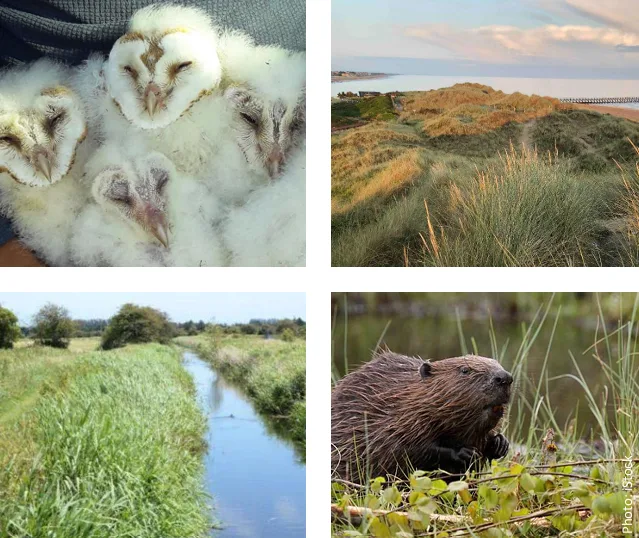
- supporting species of local priority, including water voles, bats, reptiles, overwintering birds, hedgehogs, dormice, and barn owls
- strengthening ecological networks, including wildlife corridors, dark skies zones, and nature recovery areas
- delivering Biodiversity Net Gain (BNG) and developing habitat banks to ensure development contributes meaningfully to nature
- improving water quality and supporting restoration of chalk streams, rifes, and coastal wetlands
- working with strategic partners, including the South Downs National Park, Sussex Wildlife Trust, Weald to Waves, Sussex Bay, and local communities
- engaging residents in wildlife-friendly gardening, citizen science, and community-based conservation
- council-owned land - including expanded wildflower meadows, relaxed mowing, pollinator beds, new tree planting, habitat banks, and sustainable water management
- residents and communities - guidance on wildlife-friendly gardening, reducing chemical use, and improving local green spaces
- partnership working - strengthening delivery across rivers, marine habitats, designated sites, and nature recovery corridors
- planning and development - integrating BNG, ecological design, green infrastructure, and habitat connectivity into all new development
Originally published by Arun District Council ↗